No Axe? No Problem: The Library Card That Gets Britain Making Noise

Photo: RubinObs/NOIRLab/SLAC/DOE/NSF/AU, CC BY 4.0, via Wikimedia Commons
There’s a very British kind of optimism in the sentence ‘I’ve always meant to learn the…’. It usually arrives in January, hangs around until about February, then gets buried under a gym membership and a bread maker. In 2026, though, there’s a much cheaper way to test the dream: borrow the instrument first, then decide whether you’re a natural.
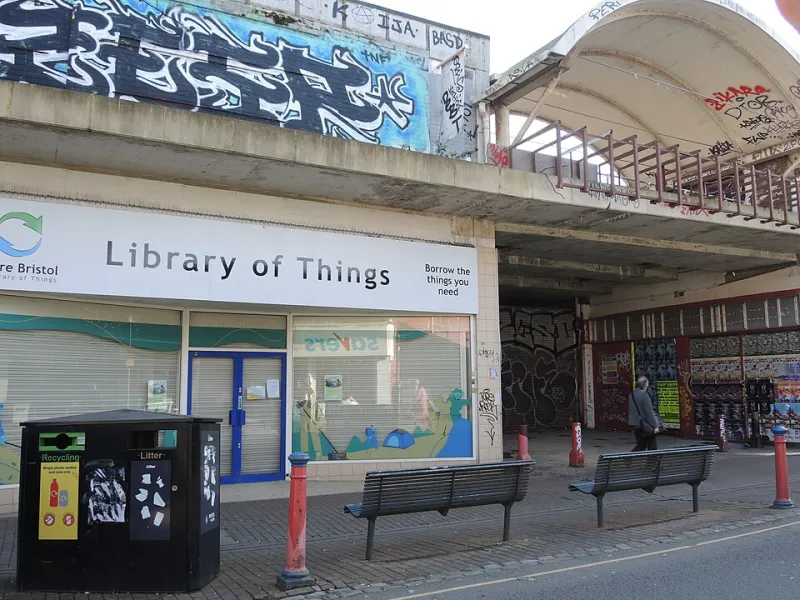
Across the UK, instrument libraries are having a moment. Some sit inside local libraries, some are run by music hubs, community centres or ‘library of things’ projects, and some are delightfully one-room operations with a kettle and a keen volunteer. The idea is simple: you use a library card, reserve something from the shelf, and take it home for a few weeks. Ukuleles, acoustic guitars, keyboards, violins, accordions, banjos, hand percussion — the catalogue varies, but the welcome is usually the same. Come in, have a go, bring it back in one piece.
The bit where you stop meaning to and start doing
Instrument libraries are not a new idea — they’ve been drifting around community music projects since the 2010s — but 2026 feels like the year they’ve properly clicked. Partly because everything is expensive, and partly because we’re all a bit tired of hobbies that involve staring at a screen. A borrowed instrument is a low-stakes experiment. You are not committing to a £400 guitar and a lifetime of guilt. You are committing to three weeks of slightly wonky chords and a new reason to leave the house.
The practical bit is refreshingly dull. Ask at your local library whether they lend instruments, or search for a nearby ‘library of things’ or music hub. Some schemes are free with a library card; others ask for a small deposit or a donation. Loans tend to run for two or three weeks, with renewals if nobody else is waiting. You’ll often get a case, maybe a tuner, sometimes a capo or a bow. What you won’t usually get is a personal tutor, so budget for a few YouTube lessons or ask about beginner sessions.
What’s actually on the shelf
The joy of an instrument library is the randomness. You might find a perfectly sensible beginner guitar, a ukulele that looks like it has seen things, a keyboard with one slightly tired key, or an accordion that weighs as much as a small dog. Some libraries specialise in folk instruments; others focus on things you can learn quietly in a flat. If you have small hands, ask about short-scale guitars or ukuleles. If you’re left-handed, ring ahead — left-handed instruments are rarer, but staff are often very good at pointing you towards the next best option.
Be honest about accessories. Strings break. Reeds go soft. Bows need rosin. A good instrument library will tell you what’s included and what you should buy yourself. It will also tell you how to clean things before returning them, which is usually a gentle wipe-down and a bit of common sense. Don’t attempt repairs yourself. Report wobbles, buzzes and broken strings; that’s what the scheme is for.
The jam session is the secret weapon
Here’s the bit that turns a nice idea into a proper Friday night: the drop-in session. Many instrument libraries are attached to beginner-friendly music clubs, slow jams, ukulele strum-alongs or folk sessions. The rule is almost always the same: no audition, no pressure, no judgement if you only know two chords. You turn up, you sit near the back, you play the bits you can, and you nod along to the rest.
This is where the magic happens. Making noise alone in a spare room is fine, but making slightly rubbish noise with other people is genuinely brilliant. You learn to keep time by watching someone’s foot. You discover that the person next to you has also only just worked out where to put their fingers. You have a cup of tea at half-time and talk about something other than work. It is, frankly, a better night out than another scroll through your phone.
A very British sort of comeback
2026 is the year to make your comeback as the person who ‘always meant to learn’. Not the person who becomes a virtuoso by Easter. The person who borrows a banjo, learns three chords, joins a noisy room in a church hall, and comes home grinning. That’s the win. The instrument library is a quietly brilliant British invention because it removes the two biggest barriers: cost and commitment. You get to try before you buy, and you get to be a beginner in public without signing up for a ten-week course.
If you want a gentle plan, try this. Week one: borrow something and learn its name. Week two: learn three chords or one scale. Week three: go to a drop-in session and play four notes with confidence. Week four: return the instrument, reserve the next one, and tell everyone you’ve joined a band. You haven’t, technically. But you’ve joined something better — a room full of people making a cheerful racket on a Tuesday.
The XLNT2 take? Borrow the instrument. Ask the daft question. Sit near the back. Britain’s instrument libraries are the friendliest way to make noise this year, and the only thing you really need is a library card and a willingness to sound a bit rubbish for a fortnight.