The Borrowed Drill Club: How Britain’s Library of Things Is Quietly Saving Winter
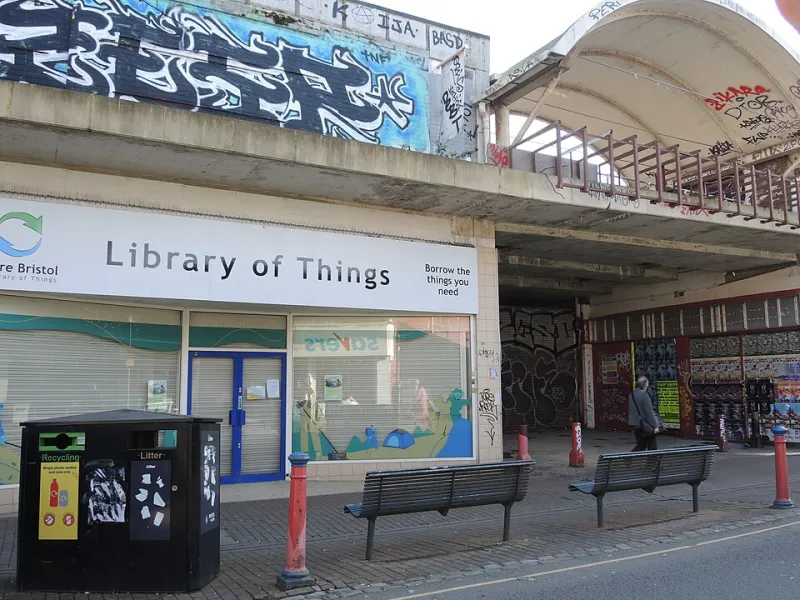
Photo: Neil Owen , CC BY-SA 2.0, via Wikimedia Commons
Somewhere between a tool shed and a very friendly shop is a room where you can borrow a pressure washer, a cake tin and a disco ball without buying any of them. Welcome to the Library of Things: the small British movement that is making winter cheaper, less cluttered and oddly sociable.
The idea is simple. Instead of every household owning a drill they use twice a year, a community owns one drill, one dehumidifier, one sewing machine and a very good gazebo. Members reserve what they need, collect it, use it and return it. You pay a small membership or a few pounds per item. No warehouse, no delivery van, no guilt about the cupboard under the stairs.
What a Library of Things actually is
It is not a book library with a odd shelf of screwdrivers. It is a borrowing service for the useful, the occasional and the deeply specific. Some are run by councils, some by charities, some by volunteers in a church hall with a clipboard and a kettle. The stock varies wildly, which is half the fun.
The common thread is practicality. These libraries exist because most of us do not need to own a carpet cleaner, a projector or a chocolate fountain. We need them for one afternoon, one birthday or one burst of domestic ambition. Borrowing means you get the job done without adding another plastic box to the loft.
The costs, without the small print
Prices vary, but the model is usually gentle. Annual membership often sits between £10 and £30. Individual items might cost £2 to £5 to borrow, with some free for local residents and others operating on a pay-as-you-go basis. A few libraries ask for a refundable deposit on pricier kit.
Put it next to the cost of buying. A decent drill can be £50 or more. A dehumidifier for a damp spare room is £100-plus. A cake tin you use twice a year is not expensive, but it still takes up space. The library turns those one-off purchases into a small membership and a friendly chat at the counter.
The oddest things on the shelf
You will find the sensible stuff first: power tools, sewing machines, camping gear, steam cleaners, folding tables and enough extension leads to light a village hall. Then comes the fun. Projectors for film nights. Disco balls for birthdays. Slow cookers. Ice cream makers. Gazebos for the one sunny weekend in July. Chocolate fountains for anyone brave enough to clean one.
The oddest items tell you something about the town. A library near the coast might lend out beach gear. A city one might have a cargo bike. Somewhere with a lot of young families will have a queue for the cake tins before every birthday. The best libraries feel like a community’s shared cupboard, with all the slightly random contents that implies.
Winter DIY without the cupboard full of regret
This is the season when a Library of Things earns its keep. Winter is when curtain poles go up, shelves get fixed, draughts get chased and the spare room finally gets sorted. A borrowed drill and a box of screws can save you a morning of frustration and a cupboard full of tools you will never use again.
It also pairs beautifully with a repair café. Take the broken lamp to the repair café, borrow the drill from the library, and learn how to fix the wobbly chair instead of replacing it. The two things work in the same spirit: keep useful stuff in use, share what you can and ask for help when you need it.
A repaired lamp is cheaper than a new one. It also has a story. That is the quiet appeal of this whole movement. It is not about being perfect or puritanical. It is about being a bit more practical, a bit less wasteful and a bit more connected to the people around you.
How to find one near you
Search your town name plus Library of Things. Add words like borrow, share, tool library or community hub if the first search comes up empty. Check council recycling pages, local repair café listings and community centre noticeboards. Ask at the library, the church hall or the café where everyone seems to know everybody.
Before you join, check the opening hours, the deposit rules and whether you need to reserve online. Ask how returns work and whether items need to be cleaned before they come back. Most places are relaxed, but a quick read of the FAQs saves everyone time.
If there is not one nearby, keep an eye out. New libraries open regularly, often with a small grant, a borrowed shelf and a few committed volunteers. You do not need a warehouse. You need a room, a few useful things and people willing to share them.
Why it feels like good news
A Library of Things is not earnest or worthy in the way that puts people off. It is useful. It saves money. It gets a drill out of a cupboard and into somebody’s hands. It turns a stranger into a neighbour over a borrowed cake tin.
In the middle of a dark, expensive winter, that is a genuinely lovely thing. Borrow the drill. Bake the cake. Fix the lamp. Return it all with a thank you. The cupboard under the stairs will thank you too.