Check Out a Casserole: The Library Clubs Turning Borrowed Recipes Into Lunch
There is a particular smell in a library community room on a Tuesday lunchtime, and it is not old paper. It is cumin, onions and something warm and buttery coming from a slow cooker plugged in beside the returns desk. Welcome to the library cookbook club: part recipe swap, part potluck, part very low-stakes social club. The idea is simple. You borrow a recipe from a library cookbook, cook it at home, then bring the results to a shared table. No fee, no judging, no need to own 14 types of tahini. Just a dish, a serving spoon and a willingness to say, ‘I burned the first batch but this one’s fine.’
How it works (and why it is not another duty)
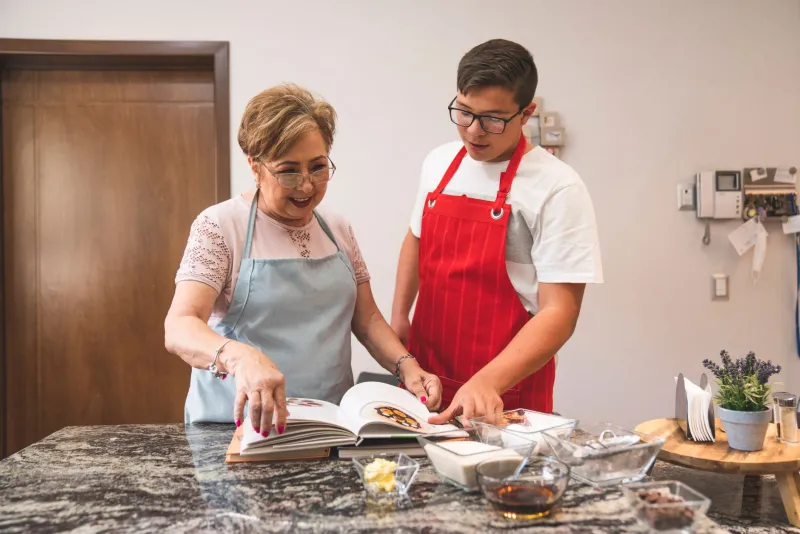
Most groups run on a gentle rhythm. The library picks a cookbook, a theme or a cuisine. Members flick through the shelves, photocopy a recipe or borrow the book, then cook one dish at home. On the day, everyone brings their offering, plus a copy of the recipe and a note about what they changed. Some clubs choose a single book so the table becomes a full menu. Others go for ‘recipe roulette’ – whatever catches your eye on the cookbook shelf – which tends to produce a magnificent jumble of soups, traybakes, dals and one heroic attempt at soda bread.
The library supplies the room, the tea urn and usually the plates. You supply the food and the chat. It is not a cookery class and nobody is being assessed. If you are a confident cook, bring your showstopper. If you are not, bring something simple and honest. A baked potato bar has never once been turned away.
The winter maths of a borrowed recipe
This is budget-friendly cooking with a social life attached. You are making one dish, not a whole dinner party. You share it with a dozen people, so a little goes a long way. The recipe itself costs nothing beyond a library card, and you can test a cookbook before deciding whether it deserves shelf space at home. For anyone trying to eat well in November without spending half the weekly shop on ingredients you will use once, that is quietly brilliant.
The themes lean seasonal for good reason. Think lentil soup, roasted root vegetables, big trays of pasta bake, spiced apple cake and anything that improves after a bus journey in a lidded tub. Groups often swap tips on using up the odd half-cabbage or stretching a tin of tomatoes. It is practical, unfussy winter cooking, with the bonus that someone else has already done the washing up on the recipe-testing front.
Why libraries are the perfect host
Libraries are free, accessible and already trusted. They have community rooms, noticeboards, and a cookbook section that deserves far more attention than it gets. They are also one of the few places where a retired neighbour, a student, a parent with a toddler and a new arrival in town can end up at the same table without anyone having to commit to a hobby for the next five years.
There is no pressure to be a ‘joiner’. You can turn up with a dish, eat, listen and leave. You can come alone. You can come with a friend. You can come for the food and accidentally make a friend. That quiet, no-alcohol, no-spending dynamic is exactly the sort of everyday joy XLNT2 likes to bang on about: not a big event, just a good room full of people being mildly pleased with each other’s cooking.
Find one near you
Start with the obvious: ask at your local library desk. Say ‘cookbook club’, ‘recipe swap’ or ‘community lunch’ and see what they know. Check the council library events page, the printed what’s-on leaflet and the noticeboard by the door. Community Facebook groups and local newsletters often carry the details too, especially for groups that meet monthly rather than weekly. If your library does not have one, it is worth asking whether they would host a small pilot. Many libraries are keen on low-cost activities that bring people through the doors.
Start a tiny, low-faff version
You do not need funding, a committee or a branded apron. You need a friendly librarian, a slot in the community room and a handful of people. Start with six to eight, pick a gentle theme for the first meet – soup and bread is a good one – and ask everyone to bring one dish, a copy of the recipe and a list of allergens. Keep it free. Use paper plates if washing up feels like a faff. Put a sign-up sheet by the desk. Make a WhatsApp group or email list for the next date.
A few things make it easier: label allergens clearly, include a vegan or gluten-free option where you can, bring your own containers for leftovers, and resist the urge to make it competitive. The moment someone suggests scoring, the whole thing gets tense. The joy is in the borrow-cook-share loop, not in being crowned king of the casserole.
The bit that stays with you
Ask anyone who has been to one and they will probably remember the people before the recipes. The retired teacher who brings the same excellent flapjack every month. The teenager who confidently makes bao. The person who had never cooked with lentils and now has a signature dish. The recipe is just the excuse. The table is the point.
So next time you are in the library, look at the cookbook shelf and the noticeboard. There might be a club, a swap or a shared lunch already happening. If not, there might be a librarian willing to help you start one. Bring a dish. Bring a friend. Bring a very large spoon.