The School Hall Shuffle: Why a £2 Fairy Cake Beats Any Ticketed Christmas Spectacle
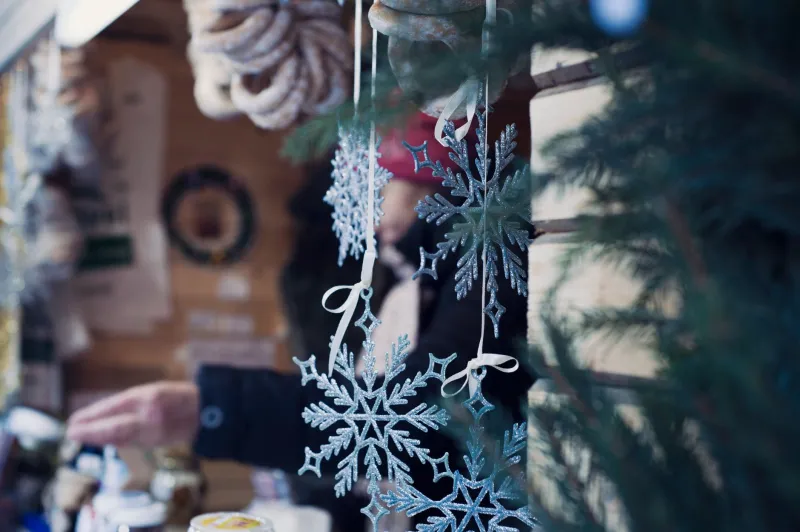
There is a particular smell to a school Christmas fair. It is part tea urn, part tinsel dust, part slightly over-warm hall radiator. Someone has laid out a tombola with the seriousness of a military operation. A child is running past with a fairy cake held like a trophy. And somewhere near the cloakroom, a raffle ticket is being sold by a parent who has clearly been there since 4pm.
This is not the glossy festive outing that gets advertised with timed slots and £12 hot chocolate. It is better than that. The school Christmas fair — or church hall fair, or community centre winter fete — is Britain’s most underrated festive night out. It is cheap, it is chaotic, and it is full of the kind of homemade charm that no ticketed winter wonderland can fake.
Why the school hall wins
Let’s compare. A big city winter event might cost £25 for an ice rink session, £8 for a ride, £9 for a paper cup of mulled wine and another £15 for a photo with a snowman. You book a slot. You queue. You leave wondering where the evening went.
A school Christmas fair asks for a pound at the door, maybe nothing at all. Inside, you can buy a strip of tombola tickets for 50p, a second-hand paperback for 20p and a proper cup of tea for a quid. You might win a tin of biscuits or a oddly shaped candle. You will almost certainly leave with a fairy cake. The whole night can cost less than a cinema ticket, and nobody is herding you towards an exit.
The real difference is the people. At a school fair, the person running the craft stall is a parent who stayed up late gluing felt stars onto sticks. The person on the cake stall is a grandparent who has been baking since Tuesday. The raffle is drawn by a headteacher with a microphone that keeps cutting out. It is amateur in the best sense: made by people, for people, with no brand strategy in sight.
What actually happens — and why it’s brilliant
Every school fair has its own rhythm, but the ingredients are reliably the same. There is a tombola, usually with a table of prizes that range from the genuinely useful to the deeply mysterious. There is a craft stall selling decorations that are slightly wonky and all the more lovable for it. There is a book table where paperbacks go for pennies and children discover the joy of choosing something with their own money.
Then there is the cake stall. This is the heart of the operation. Fairy cakes with icing that has slid slightly. Flapjacks cut into uneven squares. A Victoria sponge with a handwritten label. You pay £2, maybe £1.50, and it tastes better than anything from a plastic-wrapped counter because someone made it in their kitchen and wrapped it in cling film.
And the tea. Always the tea. It comes in a proper mug, sometimes with a digestive biscuit on the saucer. You drink it standing up while a choir of Year 4 children sings a song they only half know. It is not polished. It is perfect.
How to find your local fair
You do not need a special app. The best school Christmas fairs are found the old-fashioned way: through the school gate, the local library noticeboard, the parish magazine and the Co-op window. Start with the schools nearest to you — most publish their fair dates on their websites or newsletters in late November. Church halls and community centres often advertise on Facebook groups or Nextdoor. Ask a neighbour. Look for posters with a handwritten 'ALL WELCOME' at the bottom.
If you are searching online, try the name of your town plus 'Christmas fair 2026' or 'school winter fair'. Dates tend to land in late November and early December. Go early if you want first pick of the cake stall. Go late if you want to see the tombola prices drop. Either way, bring cash — many stalls still prefer coins, and a pocket of change makes the whole thing easier.
The £5 challenge
Set yourself a budget and see how far it goes. A pound for entry. Two pounds on the tombola. Fifty pence on a book. A pound for tea and a fairy cake. That is £4.50 and you have had a full evening out, supported a local school and possibly won a box of chocolates. Try doing that at a ticketed winter event.
The trick is to embrace the low stakes. You are not there for a world-class immersive experience. You are there to watch a child win a cuddly toy, to buy a slice of lemon drizzle from someone’s nan, and to feel like you are part of a place rather than a queue.
A note on manners and money
School fairs are run by volunteers who have already done a full day’s work. Be patient at the tombola. Bring change. Do not haggle over a 50p book. If you can, buy a raffle ticket even if the top prize is a hamper you will never finish. And if you have a child in tow, let them spend their own pound — the thrill of choosing a slightly broken toy from the lucky dip is a formative British experience.
Why it beats the big event
There is no queue for a 'festive experience'. There is no branded photo opportunity. There is no pressure to post anything. The school Christmas fair is not trying to be Instagrammable. It is trying to raise money for new reading books and keep the heating on. That makes it feel real in a way that a corporate winter trail never quite does.
It is also genuinely intergenerational. You will see toddlers, teenagers, parents, grandparents and the school caretaker all in the same room. You will hear the same jokes about the tombola being rigged. You will leave with a slightly wonky decoration and a warm feeling that has nothing to do with the radiator.
So this December, skip the £30 spectacle. Follow the handwritten posters. Walk to your nearest school hall, hand over a pound coin and buy a fairy cake. The tinsel might be uneven. The microphone might squeak. But it will be the best festive night out you have all season.