One Lost Counter, Four House Rules: The Pub Game Shelf That Rescues a Damp Tuesday
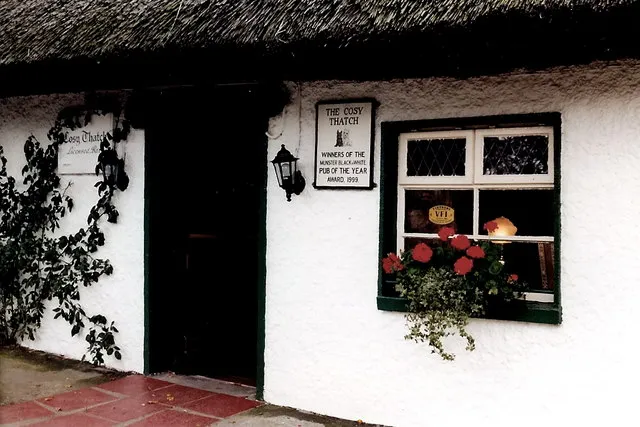
Photo: Joseph Mischyshyn, CC BY-SA 2.0, via Wikimedia Commons
There is a particular sound a pub makes when someone pulls out the board game box: a wooden scrape, a small avalanche of dice, a cheer from the table by the radiator. It is not the sound of a big night out. It is better. It is the sound of November being told to behave.
At XLNT2 we are fond of a plan that costs less than a second round and lasts longer than the average film. The pub game shelf is exactly that. No booking fee, no dress code, no queue. Just a pint, a packet of crisps and a box that has been held together with elastic bands since roughly the invention of elastic bands.
The shelf by the fire
Every decent independent pub has one. Sometimes it is a proper bookcase with a handwritten label sellotaped to the side. Sometimes it is a stack of boxes under the stairs, next to a bucket and a lonely umbrella. Either way, the contents are gloriously imperfect. Monopoly with no top hat. Scrabble with a tile missing — usually an E, always suspicious. Connect 4 with a scratched frame. Jenga blocks that have clearly seen things.
This is not a curated experience. That is the point. A pristine games collection in a pub is a red flag; it suggests nobody has ever actually played. The good shelf is a mess. It has a jigsaw with one corner missing, a pack of cards held together by a rubber band, and a Trivial Pursuit question card from a decade you cannot quite place. It has history. It has sticky fingerprints. It has possibility.
A tenner, a pint and a very suspicious dice
Let us talk money, because that is usually the reason we stay in. Two drinks and a bag of salt and vinegar crisps will set you back under a tenner in plenty of independent pubs, especially midweek. The entertainment is free. Not “free with a minimum spend” free. Properly free. You are paying for the warmth, the welcome and the use of a table, and everything after that is a bonus.
The pub is the original community space. Long before we had apps for everything, we had a back room, a landlord with a strong opinion about the correct way to play dominoes, and a table where anyone could pull up a chair. The board game shelf is a quiet reminder of that. It does not need a screen or a subscription. It just needs a few people willing to argue about whether you can build a hotel without owning the utilities.
House rules are the whole point
Every pub shelf comes with an unwritten constitution. The landlord’s Monopoly set has house rules from 1998. The Scrabble dictionary is whatever the person with the highest score says it is. The Connect 4 frame is slightly warped, so you have to drop the counters with feeling. And there is always one die that rolls suspiciously well for the person who brought it.
You do not fight the house rules. You adapt. The missing pieces become characters — the imaginary top hat, the ghost train, the little dog that ran away in 2019. If the instructions are missing, you make them up. If two people disagree about whether “QI” is a word, you let the retired teacher at the next table adjudicate. This is not cheating. This is local democracy.
The intergenerational standoffs are the best bit. A nine-year-old and a grandfather going head-to-head over a disputed Scrabble word is better than most panel shows. A teenager who has never played dominoes before slowly realising they are quite good at it is a small joy. A group of friends who thought they were just having a quiet pint ending up in a fiercely contested Jenga final is the sort of night that makes you forget it is dark outside by half past four.
How to spot a good shelf
Look for a shelf that is a bit messy. A tidy display of boxed games is fine, but a shelf with a jigsaw, a deck of cards and a lonely chess piece rattling around is better. Check for variety: dominoes next to Uno next to a game you have never heard of. That is a good sign. It means people bring things, leave things and actually use them.
Ask at the bar. The magic question is: “Have you got a box of something?” If the answer is “under the stairs” or “in the back room, help yourself”, you are in the right place. If the answer is a blank stare, finish your drink and try the micropub down the road. Community spaces — social clubs, village halls, church hall cafés, little back-street boozers — are often the best. They have the shelves that nobody has tidied since 2014, and they are all the better for it.
Breaking the ice with strangers
Starting a game with strangers is easier than it sounds. The trick is to offer something low-stakes. Dominoes, Connect 4 or a quick card game are perfect. Monopoly is not an icebreaker; it is a commitment. Ask a neighbouring table if they fancy making up the numbers for a four-player game. If someone is on their own with a pint and a crossword, ask if they would like a game of dominoes. They might say no. That is fine. They might say yes, and then you have made a friend for the length of a packet of crisps.
The magic phrase is: “Do you know the rules, or shall we invent some?” It gives everyone permission to be a bit rubbish and a bit silly. It also takes the pressure off winning, which is useful when the dice are clearly biased and the board is missing a corner.
The quiet genius of a shared table
Cheap does not mean small. A game gives you permission to sit still and talk to people without the usual awkwardness. You are not just staring at your phone or shouting over the music. You are doing something together. You are passing the dice, arguing about the rules and stealing the last crisp. You leave with a new rival, a daft story and the vague suspicion that you have been beaten by a nine-year-old at Jenga.
This November, find the pub with the wonky shelf. Order a drink, ask for the box, deal the cards. The night will cost you less than a cinema ticket and last longer than you planned. XLNT2 verdict: the best table in Britain is the one with a missing counter, a packet of crisps and four house rules nobody can quite remember.